

Keeping up with the world of MobileTech feels like trying to catch a speeding train. New features and terms pop up constantly, making it hard to know what really matters when you need a new phone. The MobileTech Trends: The WTGMobileTech 2025 Report is here to fix that. We skip the confusing tech talk and focus on the innovations that will actually improve your daily life. This guide will show you how on-device AI is changing everything, what next-gen networks mean for your connection, and why sustainable tech is becoming a big deal in the MobileTech space.
The AI Revolution in MobileTech: Your Phone is Now Your Co-Pilot
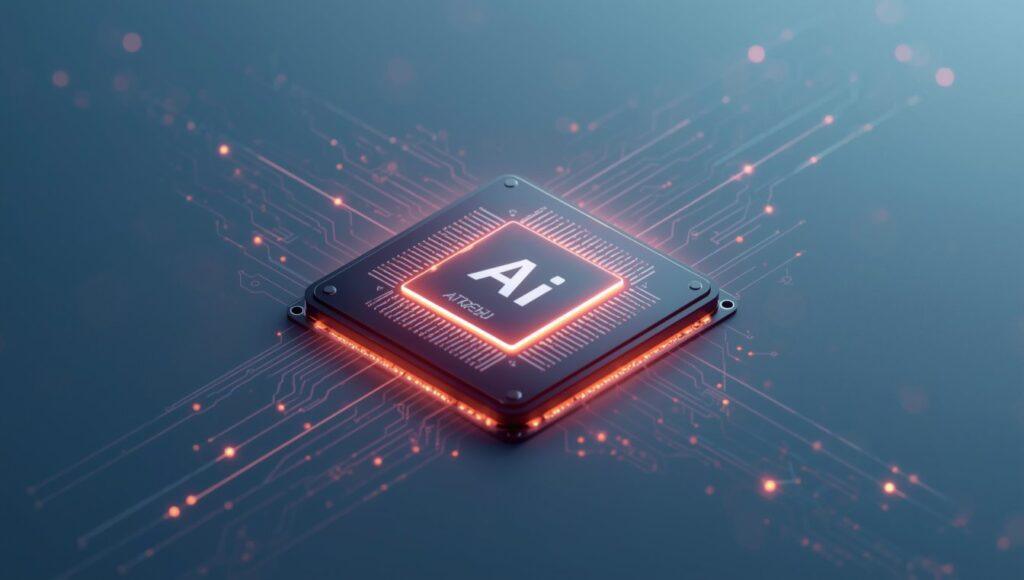
Artificial Intelligence integration is the single most important MobileTech innovation right now. It’s not just a feature; it’s what makes your entire phone smarter. The best part is that a lot of this magic happens right on your device.
On-Device vs. Cloud AI
Most of the new AI features run directly on your phone, which is a huge win for you. This is called on-device AI. When AI tasks are processed on your phone, you get two big benefits: speed and privacy. Since your data doesn’t have to travel to a server and back, things like live translation and photo editing happen instantly. A report by Statista highlights that the on-device AI chip market is growing fast because consumer demands for data privacy are higher than ever.
Generative AI in Your Pocket
Generative AI is no longer just for powerful computers. This technology is now in your hands, ready to help with everyday tasks.
- Smarter Communication: Your phone can draft emails, summarize long group chats, and even create social media captions for your photos.
- Photo Magic: Advanced editing tools, often called “Magic Editors,” let you remove unwanted objects from pictures, expand the background, or even move people around with a simple tap. This is all powered by AI algorithms.
- Personalized Content: The phone creates personalized content suggestions based on your habits, making your digital life feel more organized and intuitive.
Predictive Assistance
The smartest mobile devices learn from you. Through machine learning and predictive analytics, your phone anticipates what you need before you ask. It can preload the app you always open at 8 AM or dim your screen when it knows you’re about to go to sleep to promote digital wellness. This not only makes the MobileTech user experience feel smoother but also helps extend battery life.
Next-Generation Connectivity: The Future of MobileTech
The future of connectivity is about being connected all the time, no matter where you are. The MobileTech industry is moving beyond just making things faster and is now focused on making connections totally reliable.
The Maturation of 5G
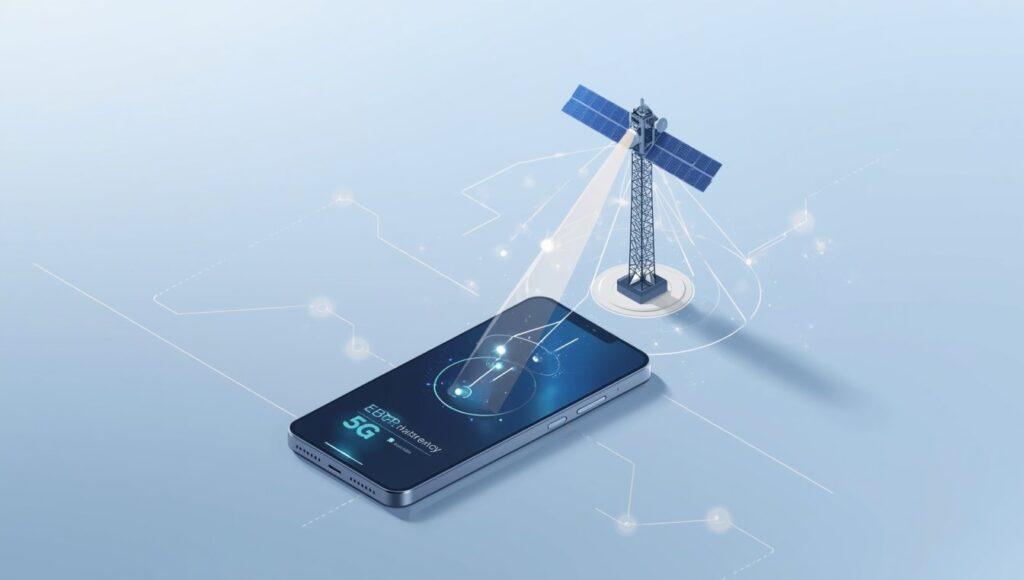
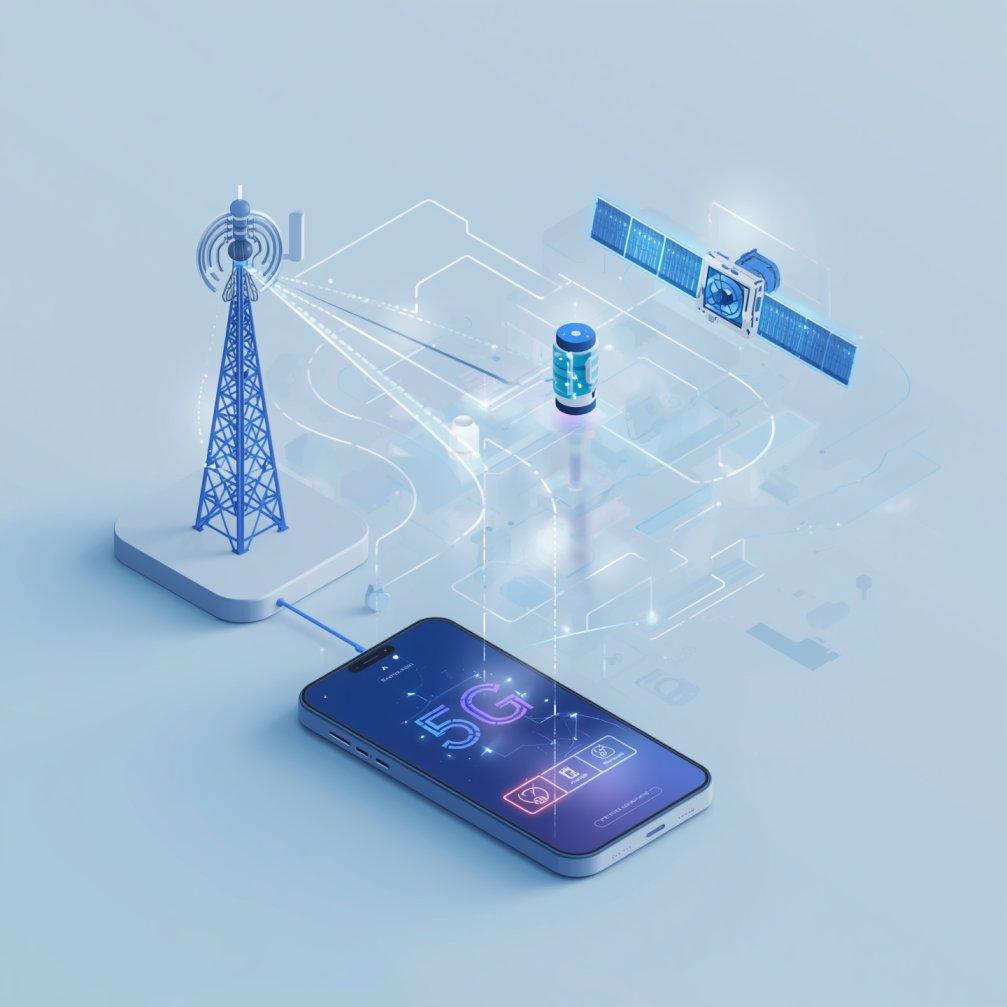
The rollout of 5G networks continues to be a major trend. But now, we’re seeing an upgrade with 5G-Advanced. This isn’t 6G; it’s a smarter version of the 5G technology we already have. It offers more stable speeds in crowded places like stadiums and airports, where regular 5G might struggle.
Another key part of 5G evolution is “network slicing.” Mobile operators can now dedicate a slice of their network for specific, high-demand tasks. For you, this means a super-stable, low-latency connection for cloud gaming or an important video call for remote work, even when the network is busy. The Open Gateway initiative is also empowering this with new developer APIs.
Satellite-to-Mobile (NTN): The End of “No Signal”
One of the most exciting mobile tech trends is direct satellite connectivity. This technology, also known as Non-Terrestrial Networks (NTN), allows standard smartphones to connect directly to satellites.
Initially, this will be used for emergency SOS services, letting you send a text for help even when you’re completely off the grid. However, the long-term goal is full global connectivity. Soon, this technology could provide voice and basic data services anywhere on Earth, truly ending the problem of dead zones. This will be a huge step forward for the telecommunications industry.
Read More: Tech Related Articial
Hardware Innovation in MobileTech Devices
The physical design of mobile devices is also seeing a lot of MobileTech innovation. Phones are becoming more versatile, durable, and personal.
Foldables Go Mainstream
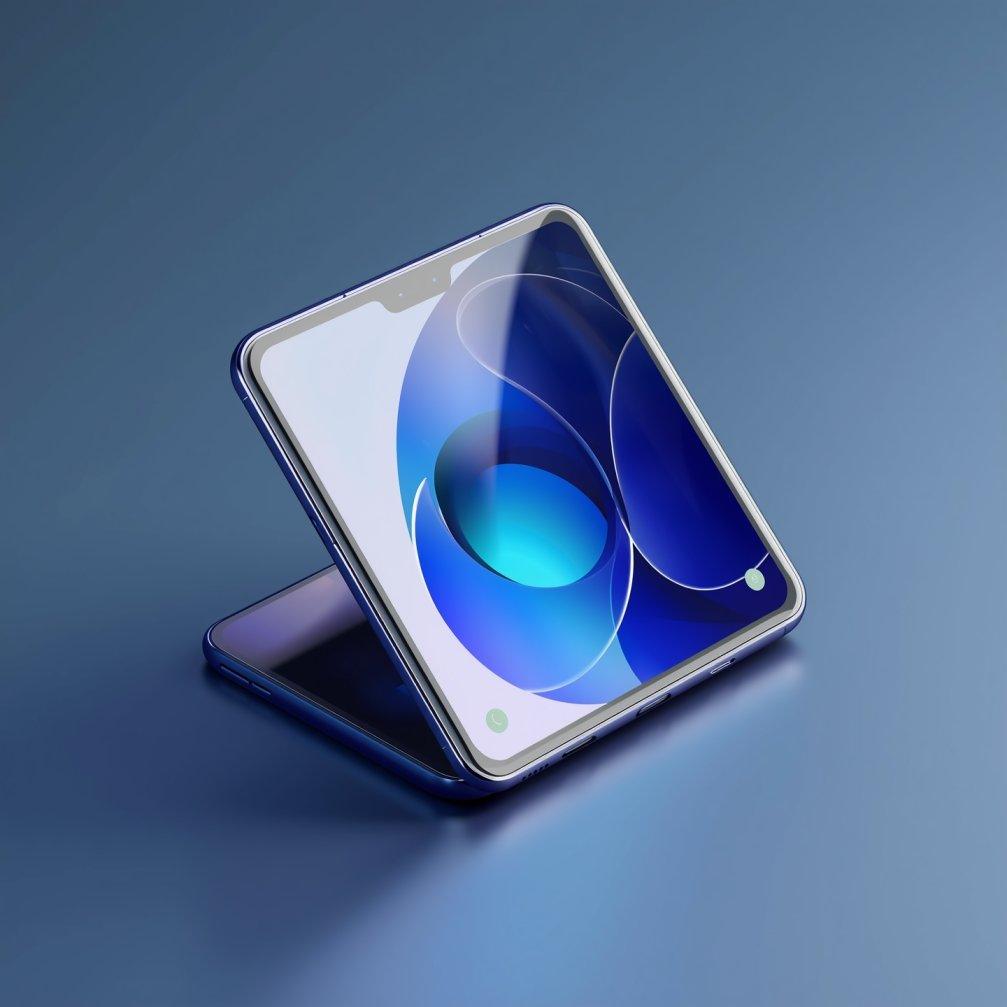
Foldable phones are no longer just expensive experiments. Thanks to better hinge designs, tougher flexible displays, and official water resistance, these devices are now reliable enough for everyday use. As prices come down, more people can enjoy the benefit of having a large screen that folds to fit in a pocket. The market for foldable phones is expected to grow by over 26% annually, showing strong consumer interest.
The Push for Brighter, More Efficient Displays
Your phone screen is getting better in two ways: it’s brighter and smarter. New OLED screens can reach very high brightness levels, making them easy to read even in direct sunlight. At the same time, they are more power-efficient. They can automatically adjust their refresh rate, slowing down for static images and speeding up for smooth scrolling, which helps save battery life. Better haptic feedback also makes interacting with the screen feel more responsive.
The Rise of Smart Glasses and Advanced Wearables
Wearable technology is becoming a true extension of our smartphones. Smart glasses are moving beyond simple notifications and are starting to offer hands-free control and AR experiences. Other wearables, like smartwatches and rings, provide advanced health tracking, biometric security, and contactless payments, creating a seamless digital lifestyle.
The Software Experience: Smarter MobileTech Integration
The way we interact with our phones is changing. Software is getting smarter, bringing different services together and blending the digital world with the real one.
The “Super App” Model
A “Super App” is a single application that does the job of many. Think of a mobile wallet that not only handles your contactless payments and mobile commerce (m-commerce) but also includes messaging, food delivery, and your digital identity. This simplifies the user experience because you don’t need to jump between dozens of different apps. This trend is a key part of the ongoing digital transformation.
Augmented Reality (AR) Becomes a Utility
Augmented Reality (AR) is moving past social media filters and games. It’s now becoming a useful tool for everyday tasks.
- Navigation: Get walking directions overlaid directly on your view of the street.
- Shopping: See how a new sofa would look in your living room before you buy it. This is a big deal for retail tech.
- Learning: Point your camera at a historic building to get instant information about it.
This practical AR/VR integration is making MobileTech devices even more helpful. Cross-platform apps are also making these experiences available to more people.
Personalization and Privacy Controls
Phones are getting better at giving you what you want while protecting your information. Predictive personalization uses AI to suggest apps and actions you might need. At the same time, operating systems are providing stronger data privacy controls. You can now grant one-time permissions for apps to access your location or photos, giving you more control over your data protection.
Sustainable and Secure MobileTech by Design
Two of the biggest market trends influencing MobileTech today are sustainability and security. People want devices that are good for the planet and safe to use.
The Green Revolution in Mobile
The mobile industry is taking sustainability seriously.
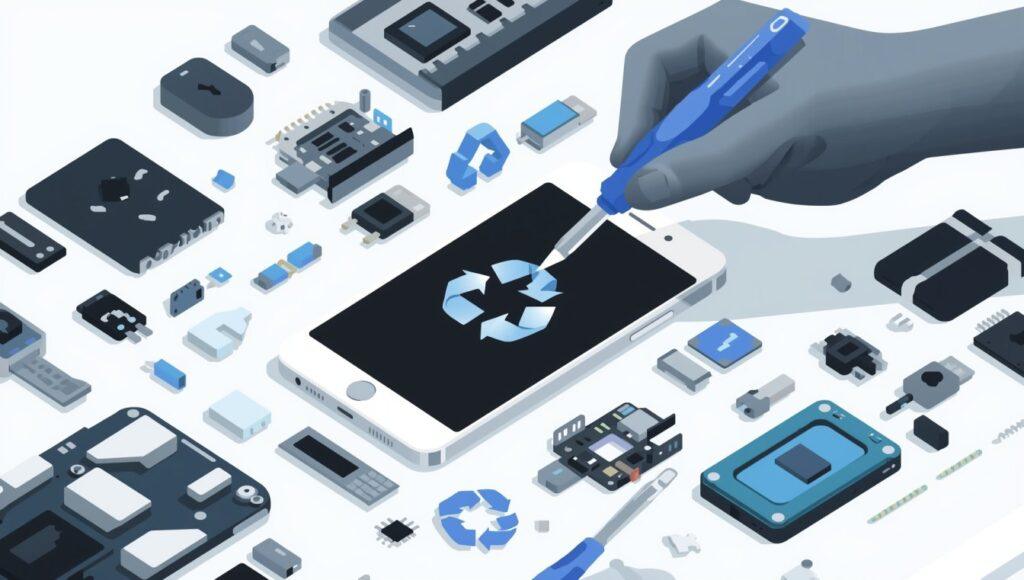
- Right-to-Repair: There is a growing movement for device repairability. Some brands are designing modular phones with easily replaceable batteries and screens. This helps reduce e-waste and saves you money.
- Eco-Friendly Materials: Companies are using more recycled plastics and metals in their smartphones. They are also using smaller, more sustainable packaging to reduce their carbon footprint. This focus on sustainable tech meets growing consumer demands.
The Future of Mobile Security
As we do more on our phones, MobileTech security becomes even more important.
- Hardware-Level Security: Modern smartphones are secure by design. They have a special, protected area on the chip (a secure enclave) that stores your most sensitive information, like fingerprints and payment details.
- Passkeys and Phishing Defense: The industry is moving away from passwords. Passkeys use your device’s biometric security to log you into apps and websites. They are much safer and protect you from common cyber threats like phishing attempts. New encryption methods are also being developed to defend against future risks from quantum computing.
Frequently Asked Questions about MobileTech
What is the single biggest mobile tech trend to watch in 2025?
The most important trend is on-device AI. It’s the brain that makes everything else on your phone work better—from the camera technology to the battery life and AI assistants. It does all this while improving data privacy, making it a true game-changer for the user experience.
Are foldable phones a good investment in 2025?
Yes, for many people, they have become a great choice. The technology behind foldable phones is much more mature now, with stronger hinges and more durable screens. If you want a big, tablet-like screen that you can fold up and put in your pocket, 2025 is a good year to get one.
Conclusion: The Future of MobileTech
The major MobileTech trends for 2025 are all working together to create smartphones that are smarter, more connected, and more in tune with what people care about. On-device AI, universal connectivity, and sustainable design are leading the way.
When you’re ready to buy your next phone, look past the basic specs. Think about how smart the software is, how long it will receive security updates, and how its features will actually help you in your daily life.
The best mobile device is no longer just the one with the fastest chip. It’s the one that fits into your life easily and securely and stays useful for years to come. That approach will give you a competitive edge as a consumer